
APATAP 2026 Conference Program
APATAP is delighted to announce the draft program for our 2026 Conference. Please scroll down to see a list of our presenters, followed by the conference schedule. Please note that the program may be subject to change without notice.
For more information, please email info@apatap.org.au.
Meet the Presenters
-

Distinguished Professor James Ogloff AM
Keynote: From Risk Management to Restoration: Reimagining Threat Assessment and Management
-

John McDonald
Keynote: Beyond the Incident: Restorative Justice and the Expanding Scope of Threat Management
-
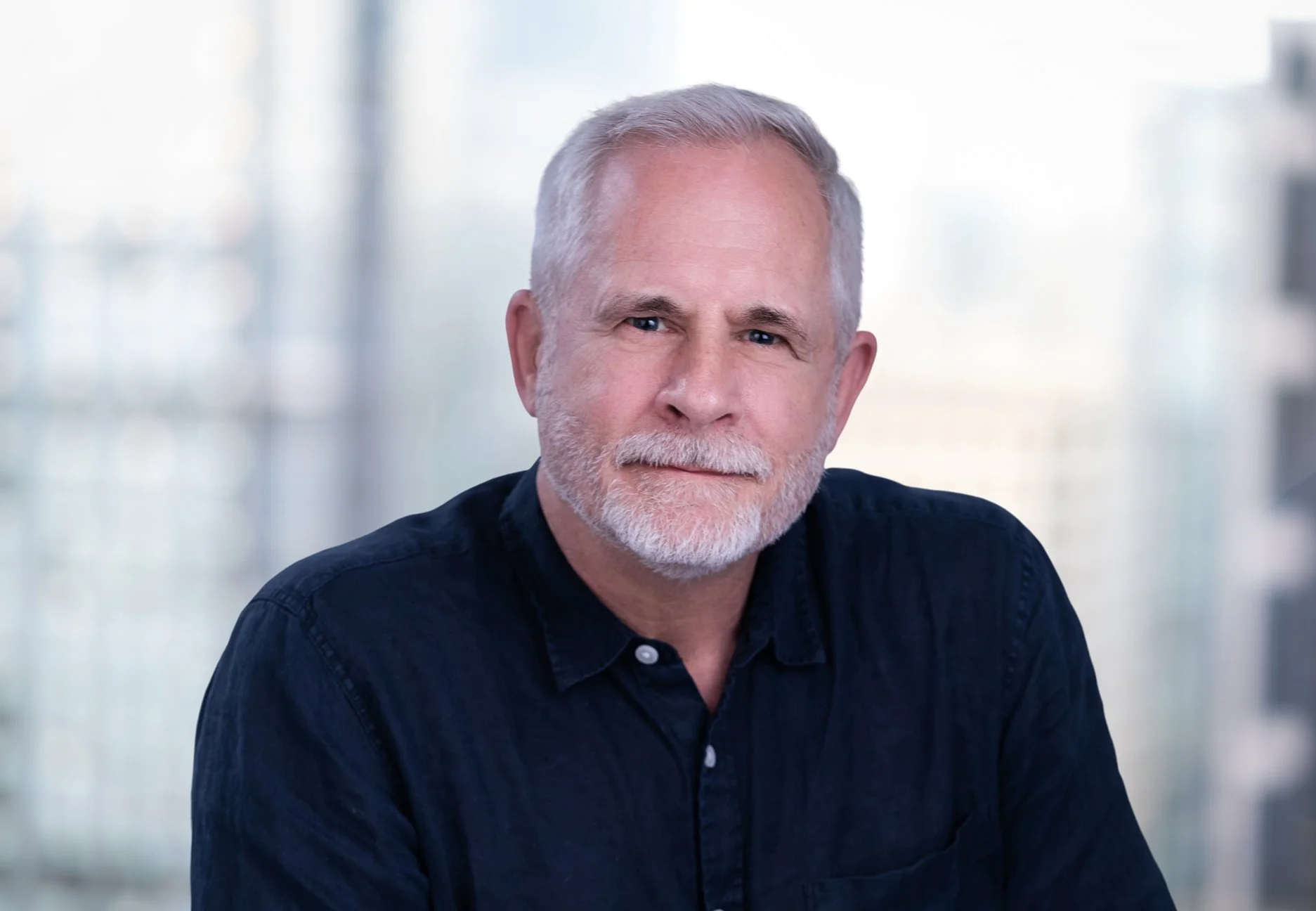
Richard Hart, JD
Workshop: The Relational Field Is the Risk: Restorative Conferencing in Behavioural Threat Assessment
-

Dr Susan Carland
Invited Speaker: TBA - School of Social Sciences, Monash University
-

Professor David Slucki
Invited Speaker: TBA - Australian Centre for Jewish Civilisation
-
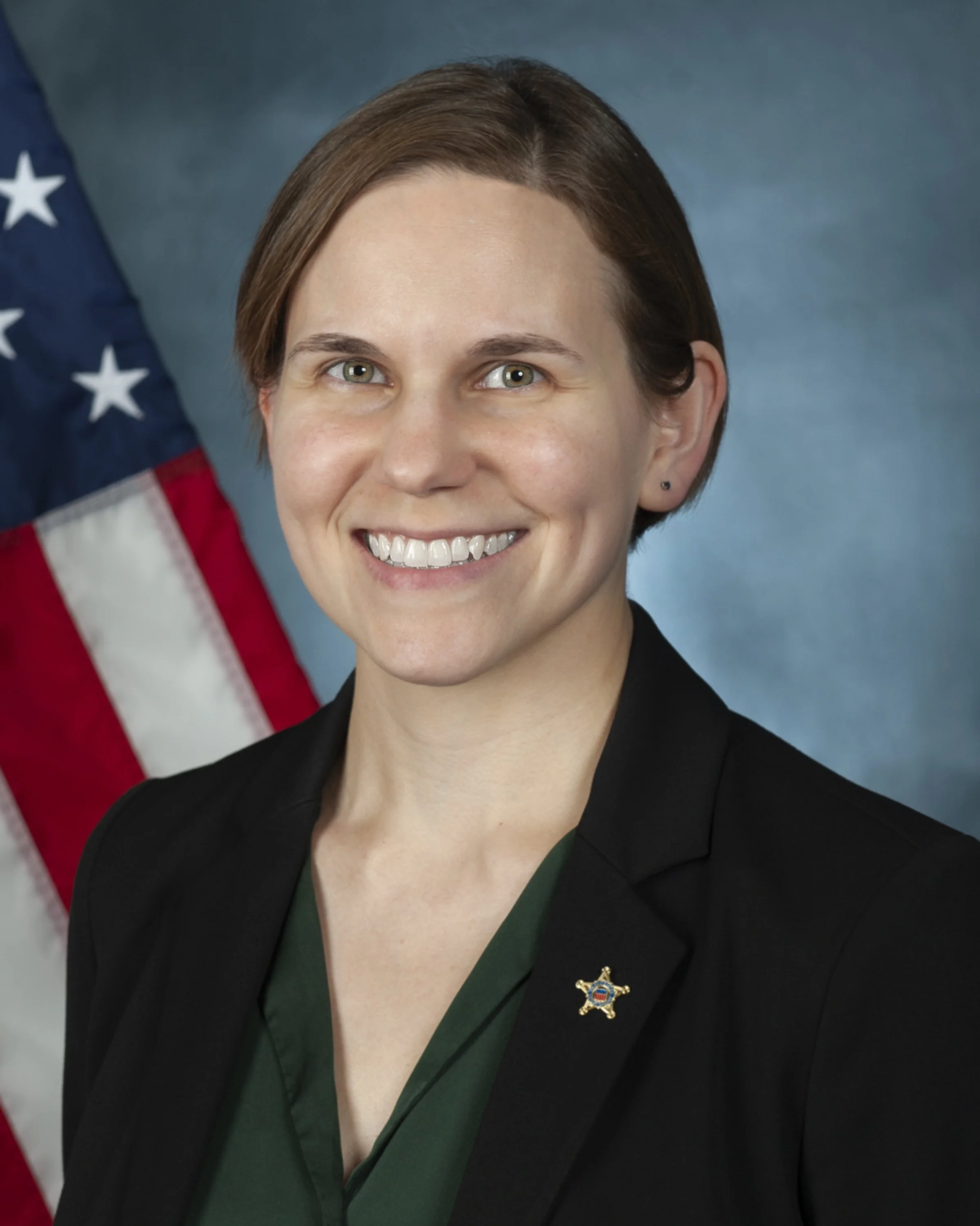
Dr Arna Carlock
Averted Attacks: Research and Interventions for Preventing School Violence
-

Dr Brianne Layden
Organisational responsibilities regarding psychological health and safety in the workplace and strategies for self-care for threat assessment professionals
-

Dr Kathie Kenyon
Step Up: Designing behaviour change for impact
-

Adam Schickerling
Step Up: Designing behaviour change for impact
-

Dr Lauren Ducat
A multi-agency partnership approach for preventing the incidence of bushfire arson
-

Beverly Baligad, JD
Protecting Hawaii With Aloha: Threat Team Hawaii
-

C. Joshua Villines
Understanding the Impact of Trauma on Threat Management
-
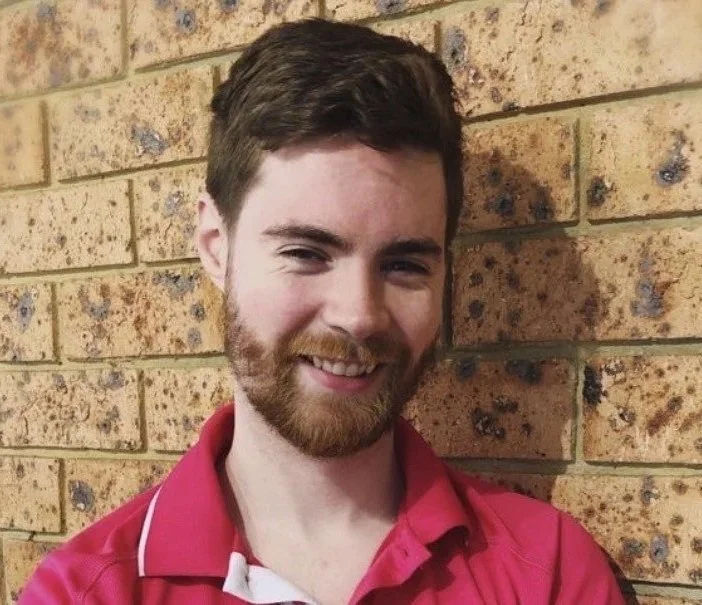
Daniel Gregg
Marginalisation, Self-Radicalisation, and Firearm Access: Psychological Pathways, Risk Assessment, a Case Study of Community-Level Screening
-

Jacqueline Huttley
Balancing Accountability and CARE: Respondent-Focused Case Management as Restorative Threat Assessment Practice in Higher Education
-

Kriti Pandya
From Observer to Target: Managing Analyst Exposure in Corporate Intelligence Roles
-
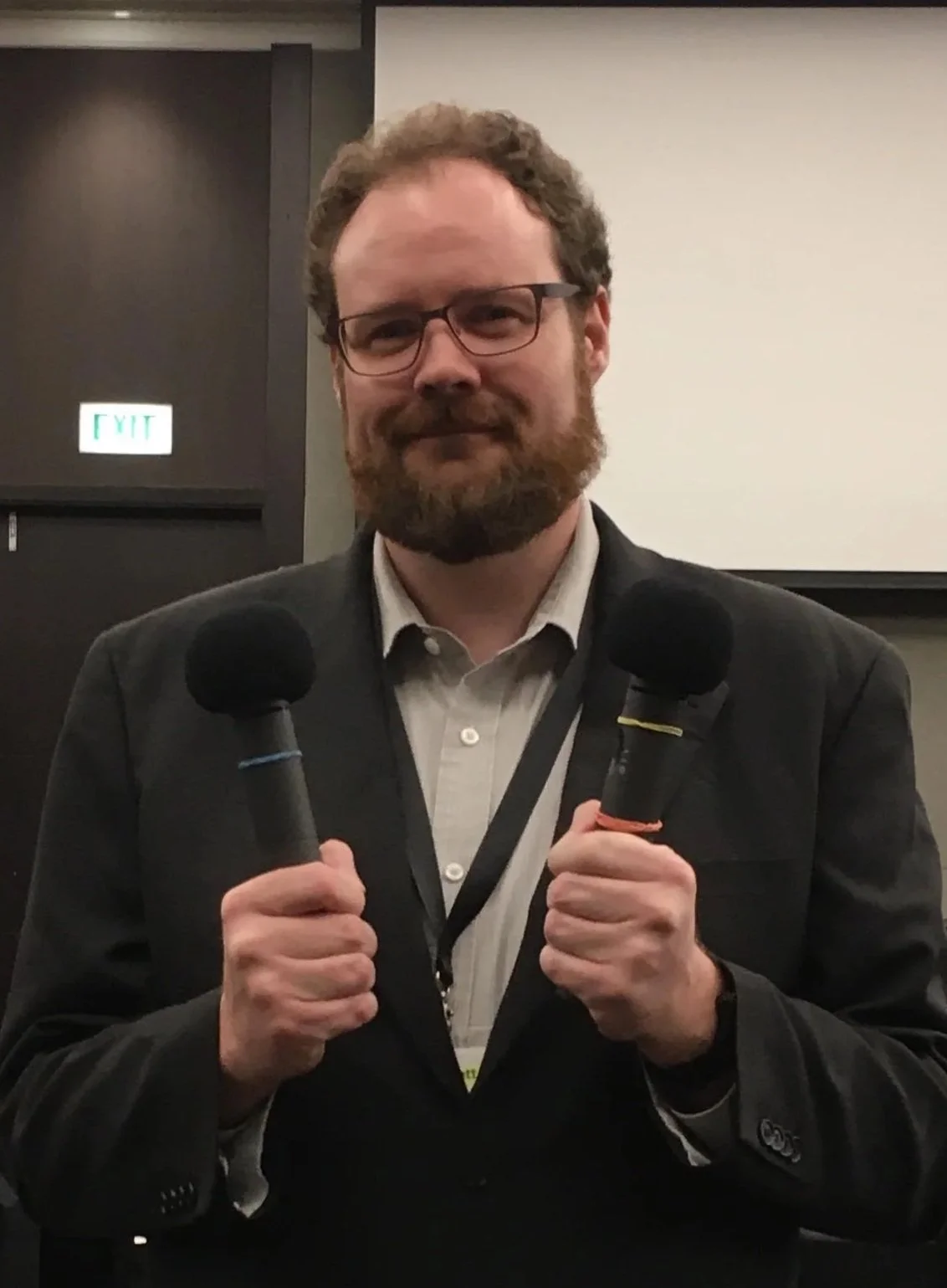
Luke Bartlett
Punching Up: development and outcomes of a self-protection program for vulnerable communities
Workshop Day - Wednesday, 18 November 2026
-
Kat Nordern, President of APATAP will officially open the Workshop Day of the Conference.
-
Bio: Richard Hart, JD
Richard Hart is co-founder and Director of ProActive ReSolutions, and a lawyer, mediator, and arbitrator whose career spans corporate and employment law, human resources, and threat assessment across more than 32 countries.Richard's path to this work began in the courtroom, where he found that investigations, arbitration, and litigation often deepened the conflicts they were meant to resolve. Mediation offered more, but he noticed that agreements made across a table frequently became new weapons in ongoing disputes once the mediator left. Everything changed in 1998 when he encountered John McDonald's community conferencing work, and watched a process bring together not two or four people, but entire groups of fifteen, twenty, sometimes thirty, addressing raw hurt and anger directly and achieving transformations that formal processes never could. That encounter led to co-founding ProActive in 2000.
Twenty-five years on, Richard brings his legal grounding in procedural fairness and duty of care together with ProActive's relational practice philosophy to conduct threat assessments that go beyond managing a single incident to addressing the organisational conditions that allowed harm to occur.
Outside work, Richard explores Tokyo's hidden coffee shops, experiments with digital art, and reads philosophy and science for fresh thinking on human potential.
WorkshopBehavioural threat assessment is built to identify what drives an individual toward violence, disrupt escalation pathways, and produce defensible recommendations. Done well, it is not only measurement but intervention: how an assessment is conducted can itself raise or lower risk.
One variable does much of that work, and the field is slow to name it — relationality. The relationships around a person of concern, and the relationship formed with the assessor, are among the strongest contributors to risk and, handled well, among its strongest mitigators. The relational field is part of the risk, which makes it part of the assessment.
Because the assessment centres the person of concern, it privileges the framing of those who raised it; their account becomes the lens through which the case is read. Introducing relationality — and the ProActive process in particular — widens that lens. It takes the exclusive focus off the subject’s behaviour and brings into view the conduct of others, the impacts on the subject as well as those harmed, and the organisational and systemic dynamics, even the politics, that shaped the situation. The work becomes less about an individual than a situation opening outcomes the individual frame cannot reach.
ProActive Restorative Conferencing is where this workshop does its close work: a structured, high-accountability way to transform relationality on purpose. It is not mediation. It convenes the relational field — those affected and those with influence over the person of concern — and moves through three phases: preparation, conducted individually with each participant through coaching, reflection, support, and elicitation before any group meeting; a facilitated conversation in which the subject faces the specific harm caused and the group builds a written agreement with named owners; and follow-up — weeks of accountability check-ins that test whether it holds, with breaches anticipated in advance.
This relational work is not reserved for low-risk cases or for after a rating is downgraded. Its principles and practices shape how a skilled assessor listens and intervenes. The Conference can be deployed as interim management while risk is still live — building the relationships in which risk is nested — and in doing so keeps generating insight into the subject’s state of mind and intentions. None of this loosens rigour: every move is governed by explicit gating, contraindications, and safeguards — what looks bold is in fact disciplined. The practical tensions this work encounters, victim safety, legal liability, confidentiality, and organisational resistance, are named honestly and worked through in the workshop.
Restorative thinking operates at three levels: principles that orient how a practitioner reads a situation, practices that shape individual interviews, and formal processes deployed when conditions allow. Most cases will live at principles and practices — enough to yield sharper formulations, richer relational data, and recommendations the affected community can live with. The microskills travel: into how assessors engage resistant decision-makers, interview persons of concern, and make the social context of a case better, not merely safer. The formal Conference is an option, not the entry point.
Facilitators Richard Hart and John McDonald, co-founders of ProActive ReSolutions, bring backgrounds in law, threat assessment, and conflict transformation across 25 years in corporate, healthcare, government, education, and law-enforcement settings. In one case where the subject was assessed as a genuine threat of violence, he described the whole assessment — being interviewed, hearing the reasoning, receiving the recommendations — as the most impactful experience of his life: evidence that even the hardest-edged assessment can be conducted relationally, and that doing so serves safety rather than softening it.
Participants will leave able to tell when a formal Restorative Conference is indicated, contraindicated, or better used as interim management; with relational principles, practices, and microskills they can apply across their existing assessment work; and with a clear sense of how relational practice strengthens the recommendations they already write.
Workshop deliverables
A decision framework for when a formal Restorative Conference is indicated, contraindicated, or better deployed as interim management during a live case.
A transferable set of relational principles, practices, and microskills for use across assessment work — engaging decision-makers, interviewing persons of concern, and shaping the social context of a case.
A reframe of safety as both the reduction of threat and the restoration of relational function, with implications for formulation, management recommendations, and case closure.
Language for presenting a relationally-informed approach to clients, organisations, and
BTAM colleagues in terms the field already uses.
-
Refreshments will be served.
-
-
Lunch will be served.
-
-
Light refreshment served.
-
Conference Day 1 - Thursday, 19 November 2026
-
Kat Nordern, President of APATAP will officially open Day 1 of the Conference.
-
Bio: Distinguished Professor James Ogloff AM
Distinguished Professor James R. P. Ogloff AM is the Dean, School of Health Sciences and University Distinguished Professor of Forensic Behavioural Science at Swinburne University of Technology. Distinguished Professor Ogloff leads the School of Health Sciences, one of Australia's leading tertiary education health sciences schools. He is also holds a senior advisory appointment in forensic mental health at the Victorian Institute of Forensic Mental Health (Forensicare). He is a Fellow of the Canadian, American and Australian psychological societies as well as the International Association of Applied Psychology.
Distinguished Professor Ogloff has worked in clinical and forensic psychology in a variety of settings for more than 40 years, publishing 18 books and more than 350 scholarly articles and book chapters. In 2015, Professor Ogloff was appointed a Member of the Order of Australia, recognised for significant service to education and to the law as a forensic psychologist, academic, researcher and practitioner. Professor Ogloff is a past-President of the Australian and New Zealand Association of Psychiatry, Psychology and Law. He is a past-Chair of the College of Forensic Psychologists of the Australian Psychological Association. Professor Ogloff is also a Past-President of the Canadian Psychological Association and a Past-President of the American Psychology-Law Society.
His areas of clinical expertise include the assessment and treatment of people with problem behaviours (e.g., violence, sexual offending, family violence, stalking, arson, etc.), personality disorders, mental disorders, and cognitive impairment. He has special expertise in correctional and forensic mental health. He also has expertise in the long term effects of child sexual abuse on children. As part of his work with Forensicare and his private work, he regularly conducts clinical forensic evaluations for the courts in a range of topics relating to his expertise. He has given expert evidence in all Australian jurisdictions, as well as in Indonesia, New Zealand, the United States and Canada.
In addition to his research and clinical work, Professor Ogloff regularly consults to correctional services, youth justice services, and the police. He sits on a number of boards and advisory committees and has chaired government task forces exploring matters such as the assessment and treatment of sexual offenders and the provision of mental health services in jails and prisons. He has also conducted many reviews in justice and health involving matters such as youth justice services, murder by people on parole, suicide and deaths in custody, mental illness among Aboriginal prisoners, violence and aggression among young offenders, self-harm and suicide among immigration detainees. He has also led and participated in reviews of forensic mental health services nationally and internationally.Keynote
Over the past four decades, the field of threat assessment and management has evolved significantly, from an emphasis on prediction, containment, and actuarial notions of dangerousness toward more dynamic, collaborative, and human-centred approaches to safety. This keynote will reflect on that evolution and explore how contemporary practice increasingly recognises that long-term violence prevention depends not only on identifying and managing risk, but also on promoting recovery, engagement, reintegration, and resilience. Drawing on experiences across forensic mental health, policing, corrections, courts, and community services, Professor Ogloff will examine how restorative approaches can strengthen threat management outcomes for persons of concern, victims and survivors, practitioners, organisations, and communities. The presentation will consider the importance of therapeutic alliance, procedural justice, organisational trust, and multidisciplinary collaboration, while also reflecting on the limits of prediction and the need for humility in managing complex human behaviour. Ultimately, the keynote will argue that restoration and safety are not competing goals, but deeply interconnected ones. -
Bio: Professor David Slucki
David Slucki is the Director of the Australian Centre for Jewish Civilisation, and the Loti Smorgon Chair of Contemporary Jewish Life and Culture. He is a historian who has written widely on Jewish life and culture after the Holocaust, and is an expert on antisemitism and Jewish life and culture in Australia.
He is project lead for the Monash Initiative for Rapid Research into Antisemitism, and is co-leads Monash's Campus Cohesion project with Dr. Susan Carland.
His publications include Sing This at my Funeral: A Memoir of Fathers and Sons (2019) and The International Jewish Labor Bund after 1945: Toward a Global History (2012). He is the co-editor of Laughter After: Humor and the Holocaust (2020) and In the Shadows of Memory: The Holocaust and the Third-generation (2016).
Title and presentation TBA
-
Light refreshment served.
-
Bio: Dr. Brianne Layden, R.Psych; Director and Threat Assessment Specialist, Protect International; Adjunct Professor, Simon Fraser University
Brianne is a Director and Threat Assessment Specialist at Protect International. She obtained a BA degree in psychology and MA and PhD degrees in clinical-forensic psychology from Simon Fraser University. Her work focuses on the assessment and management of risk for violence, with a special focus on self-directed violence, multiple risks, and personality disorders. She is qualified in British Columbia as a Registered Psychologist or RPsych. Outside of Protect International, Brianne is a contract psychologist with Forensic Psychiatric Services Commission of British Columbia and an Adjunct Professor in the Department of Psychology at Simon Fraser University.
Brianne has co-authored more than 75 articles and conference presentations. She is currently developing structured professional judgment guides for triaging, assessing, and managing the risk of self-directed violence. She has provided training workshops and presentations to professionals in forensic mental health, law enforcement, corrections, security, victim services, and higher education worldwide. She serves as Associate Editor for both Intelligence and the International Journal of Forensic Mental Health. She also serves on the Board of Directors of the International Association of Forensic Mental Health Services.
PresentationFor decades, scholars have investigated and reported on the nature and prevalence of negative psychological health outcomes experienced by various forensic professionals as a result of the work they do (e.g., judges, lawyers, psychologists, counsellors, social workers, child protective service workers; Bride, 2007; Bride et al., 2007; Hatcher & Noakes, 2010; Jaffe et al., 2003; Maguire & Byrne, 2017; Pirelli et al., 2020). Recent work by Pirelli and colleagues (2020) further clarified and defined these potential negative impacts, including vicarious trauma, compassion fatigue, and burnout, and called for additional research to assist in the prevention of psychological harms resulting from work that involves exposure to the trauma and violence of others. The costs of failing to care for oneself when working in high-stakes contexts, particularly for those responsible for assessing and managing threats of violence, is staggering—for the impacted individual(s), organizations, and society at large. Fortunately, several countries around the world have increased spending and efforts to identify psychological health and safety problems in the workplace, particularly when such harms are the direct result of workplace tasks. For example, several countries have collaborated to create frameworks (e.g., the European Framework for Psychosocial Risk Management) and information documents (e.g., Workplace Stress: A Collective Challenge, 2016) to assist workplaces enhance the psychological health and safety of their work force. This presentation aims to highlight the nature of the problem as it relates to the work of threat assessment professionals, and to draw on recent international work with respect to the identification and mitigation of psychological health and safety problems in the workplace.
-
Bio: Mrs. Jacqueline Huttley, Senior Coordinator, CARE Service, Monash University
Jacqueline Huttley is a Senior Coordinator with the CARE (Coordination, Assessment, Referral, Evaluation) Service in the Safer Community Unit at Monash University. With a background in social work and higher education practice management, Jacqueline specialises in integrated, person-centred case management, supporting students navigating complex well-being, safety, and personal challenges. Her professional experience spans student well-being, service coordination, and operational leadership within university and healthcare settings. Jacqueline holds a Master of Social Work from the University of Melbourne and is committed to advancing inclusive, coordinated approaches to student care that foster well-being, belonging, and sustained engagement in higher education.
Presentation
Universities face the challenge of managing not just immediate risks, but also the longer-term factors that shape safety, engagement, and behavioural change. For students and staff involved in disciplinary or misconduct processes, particularly where concerning behaviour, gender-based violence, or mental health distress is involved, these processes can be deeply stressful and emotionally taxing. Without the right support, people may disengage, feel overwhelmed, or even escalate risk to the community.
This presentation explores the CARE (Coordination, Assessment, Referral, Evaluation) Service at Monash University, a model designed specifically for higher education. CARE integrates restorative and repair-focused practices into threat assessment and management, offering structured, non-clinical support to help students and staff navigate complex conduct, safety, and wellbeing matters, including formal disciplinary or workplace processes.
Using insights from 2022–2025 service data, the session shows how respondent-focused case management can prevent harm and reduce risk. By guiding individuals through institutional processes, helping them manage distress, stay engaged, and reflect on their behaviour, CARE supports accountability while promoting positive change.
The session also considers the impact of managing threats and misconduct on university staff, highlighting how structured case management can protect practitioner wellbeing and support sustainable decision-making. Attendees will take away a practical, evidence-informed approach that balances accountability, restoration, and community safety in higher education.
-
Bio: Dr Kathie Kenyon
Dr Katherine Kenyon is a Naarm-based neuroscientist who completed her PhD at Monash University in 2024, studying speech in neurodegenerative disorders using MRI. She went on to work at Deakin University as a researcher in multimodal neuroimaging and brain injury. She has been involved in clinical research into accessible neuroimaging (portable, low-field MRI) for identifying and monitoring brain injury. This led to a focus in assault-based injury, particularly in domestic and family violence contexts. She joined the Deakin Network Against Gendered Violence in 2025 and co-authored an edited collection piece on recovery and healing following traumatic brain injury due to gender-based violence (publication pending). She has also collaborated internationally, co-authoring a research paper on post-traumatic growth in women following brain injury (under review). Dr Kenyon now works at Synapse as a content specialist, developing online training and resources for people working with domestic and family violence perpetrators and victim-survivors with brain injury.
Bio: Adam Schickerling
Adam Schickerling is the Chief Executive Officer of Synapse and has over 25 years’ experience in government and community sectors in a variety of nationally oriented general management and executive management roles, with qualifications in Applied Science, Disability, Management and Training.
Adam has expertise in leading national service development, expansion and growth strategies. He brings extensive experience in business improvement, organisational development, innovation, quality and practice and product development.
Adam has designed and scaled innovative initiatives and pilot programs that are recognised as exemplars across the areas of Disability, Housing, Indigenous, Community Development, Youth & Family services and Aged Care. Adam’s experience is strongly grounded in community capacity building and supporting community responses to realise health and social outcomes.
Presentation
Brain injury is an often-overlooked factor in domestic and family violence, affecting both the victim-survivors and the people who use violence. Brain injury can impact cognitive functioning, emotional regulation, memory, insight and impulsivity. Between 60-90% of male violent offenders have a history of brain injury. This presentation explores why understanding brain injury is critical to effective prevention, risk assessment, and behaviour intervention in domestic and family violence cases.
We examine why conventional behaviour change programs may be less effective for perpetrators who live with a brain injury, particularly when programs rely on assumed personal insight, abstract reflection, or a one-size-fits-all learning design that is not evidence-informed. The presentation will draw upon Synapse’s pilot Men’s Behaviour Change Program, Step Up. The program is the first of its kind and demonstrates how putting brain injury and cognitive impairment at the heart of learning design can improve learning outcomes, retention, recall and application of key principles through tailored, evidence-based, and trauma-informed strategies.
Step Up additionally involves specific adaptations in collaboration with the Brisbane Murri Court Magistrate and First Nations Elders and used the culturally validated screening protocol, The Guddi Way to form the learning design. The Guddi Way is also used to screen appropriate participants for the program. This makes Step Up the first culturally appropriate behaviour change program for First Nations peoples with cognitive impairment or brain injury.
-
Lunch served
-
Bio: Bev Baligad, Director of Compliance, University of Hawaii- West Oahu
Bev currently serves as the Director of Compliance/ Title IX Coordinator and Behavior Threat Assessment & Management Function Manager at the University of Hawaii- West Oahu campus. Bev has been highly involved in threat assessment and management since 2009 and has Chaired (or assisted other threat assessment and management teams) over 900+ cases. She is an experienced US Department of Homeland Security National Threat Evaluation and Reporting (NTER) Certified Master Trainer, a Certified CSTAG Trainer, and an authorized Salem-Keizer Trainer. She was awarded four grants (state and federal) totaling over $3.4 million to help build the HI threat assessment capacity through training. Bev served as the Chair of Threat Team Hawaii (2023, 2024) and Consult Group Facilitator for the state's Level 2 Consult Group (2025), and currently serves on the Association of Threat Assessment Professionals (ATAP)- Pacific Southwest Chapter Board as the Treasurer (2026). She continues to assist in the training and implementation of Behavior Threat Assessment and Management Teams throughout the state of Hawaii.
Presentation
Hawaii is the first state in the nation to have a statewide Level 2 Behavior Threat Assessment and Management team and a published statewide violence prevention plan. This team, "Threat Team Hawaii,” (also known as "TTH") is grounded in the premise of “aloha” and was implemented in 2017. Although Kauai, Oahu, Maui, Molokai, Lanai and Hawaii Island are geographically separated by ocean and have very different community needs, the TTH team stands ready to support each and every island with some of the more challenging behavior threat assessment and management cases a business, school, organization or agency may face. This presentation will introduce Threat Team Hawaii, its background and history; function and structure; methods of community based support the team continues to provide; how case consultation works and some current strengths as well as future opportunities identified for TTH moving forward.
-
Bio: Dr Arna Carlock, Supervisory Social Science Research Specialist, National Threat Assessment Center (NTAC), U.S. Secret Service
Arna Carlock, Ph.D. is a supervisory research specialist with the U.S. Secret Service National Threat Assessment Center (NTAC), where she conducts research, training, and consultation on threat assessment and targeted violence. NTAC research efforts focus on violence directed at government targets, schools and universities, and other public places. NTAC also issues guidance based on these research findings for use by public safety entities adopting a proactive threat assessment approach to violence prevention. As a result of her work with NTAC, Dr. Carlock is a recipient of the U.S. Secret Service Director’s Impact Award (2019), the DHS Secretary’s Award for Excellence (2019), the Secretary’s Award for Innovation (2022), and the Secretary’s Meritorious Service Silver Medal (2024).
Dr Carlock has worked in the criminal justice field since 2009, beginning as a probation officer and transitioning to researching violent behaviour. While completing her Ph.D. in criminal justice at the State University of New York
Presentation
For over 25 years, the U.S. Secret Service National Threat Assessment Center (NTAC) has conducted research on the thinking and behaviors of those who commit acts of targeted school violence in an effort to prevent future tragedies. Key findings from this research indicate these devastating incidents of violence are preventable. This presentation will discuss relevant past cases as well as implications and recommendations from NTAC’s research on targeted school violence and interrupted school plots It will focus on how schools and communities can develop a multidisciplinary behavioral threat assessment program not only to prevent acts of violence but also provide support for students who may be at risk due to behavioral, social, or psychological concerns. It will also share actionable strategies and adaptable solutions to develop intervention plans that integrate seamlessly with existing school frameworks.
-
Activity to be announced closer to time.
-
Kat Nordern, President of APATAP will officially close Day 1 of the Conference.
Conference Day 2 - Friday, 20 November 2026
-
Kat Nordern, President of APATAP will officially open Day 2 of the Conference.
-
Bio: John McDonald
John McDonald is co-founder and CEO of ProActive ReSolutions Australia, with a career spanning education, community services, policing, and twenty years of leadership in conflict transformation and restorative justice. His background includes a decade with the NSW Police Service, a coordinating role with the Australian Federal Police in Australia's first randomised controlled trial in the social sciences, and a lead training and strategy role in the UK's largest ever RCT in criminal justice.At ProActive, John's conviction is that safety is fundamentally relational: effective threat management must account for the full system of relationships affected by harm, not only the person who posed the risk. This philosophy has drawn collaboration with leading threat assessment specialists including Annabel Chan, and underpins ProActive's integration of restorative conferencing into threat assessment and management across workplace, campus, and community settings.
John is the inspiration for the character Jack in David Williamson's Jack Manning Trilogy, and for the lead in the award-winning feature film Face to Face, directed by Michael Rymer. He has worked with government, corporate, academic, community, and faith-based clients across Australia, North America, Europe, and Asia.
When not working, John is an aging triathlete, surfer, and avid reader.
Keynote
When a risk of violence is assessed, contained, and closed, most organisations breathe a quiet sigh of relief and move on. This presentation argues that moving on is precisely the problem.
Threat management has become skilled at interrupting the pathway to violence. It is considerably less skilled at accounting for what the incident leaves behind: the people who no longer feel safe, the managers who carry the weight of what happened, the organisational conditions that allowed things to escalate that far, and the communities beyond the immediate setting whose lives were changed.
The field's own intellectual development points toward a broader view. Recent advances in structured professional judgement, including the move toward ecological and contextual frameworks, signal that risk does not reside in one person. It lives in a system of relationships. Restorative justice practice has always known this. What this presentation offers is a practical account of what happens when both disciplines work from that shared premise.
Drawing on ProActive ReSolutions' work integrating restorative principles and practices into threat assessment and management across workplace, campus, and community settings, this keynote makes a straightforward argument: effective threat management means not wasting the experience. It means holding organisations accountable for learning and changing, not just for surviving. It means extending the circle of harm outward to everyone affected, and extending the circle of responsibility for repair outward to match.
The tensions in this work are real. Victim safety, legal liability, confidentiality, and organisational resistance all push back. This presentation names those tensions honestly. The accompanying full-day workshop addresses how to work through them in practice.
-
Bio: Dr Susan Carland, Deputy Director of Research, Impact, and Engagement, School of Social Sciences, Monash University
Dr Susan Carland is a sociologist of religion and the Deputy Director of Research, Impact, and Engagement for the School of Social Sciences at Monash University. She received a Discovery Early Career Researcher Award (DECRA) Fellowship from the Australian Research Council to research the intersection between gender, Islamophobia, and social cohesion in Australia for three years.
She also received a Churchill Fellowship to investigate countering Islamophobia strategies in the US and UK. Her first book, “Fighting Hislam: women, faith, and sexism”, was published by Melbourne University Publishing, and she has also published books with Oxford University Press and Brill.
She has spoken about her research to the UN in Geneva, Chatham House in London, to DFAT, on numerous Australian and international television, radio, print, and podcast outlets, and she currently sits on the boards of the Islamophobia Register Australia, the International Sociological Association Sociology of Religion committee, and the Victorian State Government’s Anti-Racism Taskforce. Susan hosts the multi award-winning podcast What Happens Next, and was host of the television show, Child Genius.
In 2022, she was a national finalist in the Australian Financial Review’s “Emerging Leader” in Higher Education award. She has been named on the
“500 Most Influential Muslims in the World” list, and as a “Muslim Leader of Tomorrow” by the UN Alliance of Civilisations. -
Morning tea served.
-
Bio: Daniel Gregg, Independent Researcher
Daniel Gregg is a registered psychologist whose professional work includes high‑risk, forensic and complex behavioural contexts. He holds a Master of Professional Practice (Clinical), a Graduate Diploma in Psychology and is currently an AHPRA Clinical Registrar, transitioning to Clinical Psychologist endorsement in late 2026. His career centres on applying evidence‑based psychological frameworks to behavioural risk assessment, analysis and organisational decision‑making across disability, justice, community and governance environments.
As Senior Psychologist, Advanced and Specialist Behaviour Support Practitioner within a specialised disability service, Daniel leads multidisciplinary teams supporting individuals with complex forensic, cognitive and mental‑health needs. His work involves the use of structured professional‑judgement and actuarial assessment tools, training staff in the management of violence, substance misuse, self‑harm and suicide risk, coordinating responses to critical incidents and developing evidence‑informed behavioural interventions. He also collaborates with statutory bodies and law‑enforcement partners on safety planning and organisational risk processes.
Daniel serves additionally as Company Secretary for an approved firearms association, where he oversees governance, conducts structured investigations, manages integrity and suitability assessments and embeds ethical risk‑management systems. His earlier experience across criminal justice, disability, family services and therapeutic practice has deepened his understanding of behavioural risk pathways. As a Board‑Approved Supervisor and registered Behaviour Support Practitioner, he is committed to ethical practice, cultural awareness and strengthening systems that support community safety.
Presentation
Current firearms licensing frameworks emphasize static disqualifiers such as criminal convictions and narrow psychiatric criteria, leaving pathways open for self‑radicalised individuals and lone actors to acquire weapons without detection of dynamic psychosocial warning signs. Drawing on three decades of research into violence, radicalisation and threat assessment, this paper highlights critical gaps between contemporary empirical understanding of extremist trajectories and the limited information captured by routine background‑checking processes.
The paper synthesises research on pathways to violent extremism, including social marginalisation, identity threat, the quest for significance, ideological immersion, personality patterns and acute stressors, contrasting these dynamic variables with the historically oriented focus of existing licensing systems.
The study integrates an integrative narrative review with a longitudinal descriptive case study of an Australian pistol club that implemented a comprehensive twelve‑step screening and eighteen‑month probation protocol implemented between 2015 and 2025. The case study draws on the author’s direct involvement and details extended interviews, mentorship structures, supervised participation and holistic evaluation practices designed to identify early warning signs that lie beyond conventional eligibility checks.
Preliminary observations suggest improvements in safety compliance, strengthened social support networks and anecdotal risk‑buffering effects, while individuals presenting concerning behavioural patterns were more readily identified or deterred from continuing through the process. Ethical and legal considerations are examined, including privacy issues, fairness, bias mitigation and appropriate thresholds for referral to authorities. The paper also discusses feasibility, scalability and the potential for adaptation in diverse community settings.
Findings indicate that dynamic, longitudinal assessment processes can complement static criteria by detecting emerging behavioural risk trajectories before they escalate into harm. The paper concludes that community organisations can operate as proactive partners in threat prevention by translating psychological and behavioural research into practical, early‑intervention mechanisms. Recommendations are offered for formal guidelines, controlled pilot programs and collaboration with firearms registries to support long‑term evaluation and validation.
-
Bio: C. Joshua Villines, Threat Assessment Principal, Emory University Police Department and Executive Director, The Human Intelligence Group
C. Joshua Villines is the Executive Director of the Human Intelligence Group, a public safety training and consulting agency based in Atlanta, GA, USA. Originally trained in U.S. Army Intelligence, Joshua became a police academy instructor in Georgia in 2000, focusing on interviews and interrogation. As behavioral threat assessment and management (BTAM) became more firmly established as a professional discipline, he shifted his focus there, and he has now taught BTAM on four continents. Joshua currently serves on the Global Board of Directors for ASIS International, and is the past chair of their certification board. Through ASIS, he has contributed to the writing of multiple ASIS and ISO-accredited standards, and served as the lead author of the BTAM chapter of the School Security standard. In addition to his work as an active BTAM team member and instructor, Joshua has served as a consulting or testifying expert in over 500 cases of violent crime. He is a graduate of the Defense Language Institute (Russian), Berry College, Mercer University, and Vanderbilt University.
Presentation
Situations, including exposure to violence, violence risk and danger, all impact the central nervous systems as trauma. This presentation addresses the mechanics of trauma and practical applications of that understanding for threat assessment professionals. This includes understanding how to work with both subjects and survivors in a trauma-informed way. The presentation also covers establishing practices to address trauma responses in the moment, as well as in an ongoing way to foster resilience and long-term well-being as a BTAM practitioner.
-
Lunch will be served
-
Bio: Dr Lauren Ducat, Director, Firesetting Intervention and Risk Evaluation Service PTY LTD
Co-authors: Chris Murray (Det. Inspector Arson and Explosives Squad, Victoria Police), Dr Nichola Tyler (Centre for Forensic Behavioural Science)
Dr Lauren Ducat is a Clinical and Forensic Psychologist, and Director of the Firesetting Intervention and Risk Evaluation Service in Victoria, Australia. Lauren has expertise in forensic mental health assessment, risk assessment and intervention with problem behaviours, such as stalking, firesetting, violence, family violence and sexual offending. She has specific expertise in the assessment and treatment of deliberate firesetting. She has published several academic papers in this area and maintains an active research interest, in addition to regularly being invited to provide training to a range of organisations on the assessment of firesetters.
Presentation
Wildfires are a growing public health concern, causing significant harm to human health, community infrastructures, and ecosystems every year. Each year a significant number of bush and wildfires are recorded as being deliberately started or suspicious to deliberate intent. Figures from Europe and Southeast Australia suggest 24% to 40% of wildfire ignitions with known causes can be attributed to deliberate ignition. However, preventing the ignition of bushfires from human causes is a critical but often overlooked part of bushfire prevention in Australia. The Royal Commission into the Victorian Black Saturday fires in 2009 concluded that there was an urgent need to develop a better understanding of bushfire arson and recommended a systematic programme of research aimed at refining prevention and detection strategies to curb deliberate ignitions. Nearly 15 years on, there remains very limited evidence regarding effective prevention strategies for bushfire arson internationally. This presentation will describe a proposal for a novel multi-agency partnership between forensic mental health services and police that aims to build capacity for agencies working with individuals who set fires to improve prevention, identification, and early intervention. An evaluation framework for the proposed model and preliminary findings will also be discussed.
-
Bio: Luke Bartlett, Director and Lead Trainer, Right In The Head Threat Management & Psychological Services
Luke is a forensic mental health nurse and threat manager with specialised knowledge in conspiracy theories, political extremism and violence, and organisational safety, and a combat sport coach working with commercial gyms and community sports organisations.
Presentation
The use of violence in self-defence is widely considered reasonable, and recognised as a right under law. However the communities most in need of self-protection skills are often excluded from attaining them.
Queer, femme, disabled, and non-white people are disproportionately targets of aggression, but the culture of combat sports and martial arts remains largely male, heterosexual, cisgender and tacitly - when not openly - unwelcoming to people outside those demographics.
This session examines the development, operation, and outcomes of a self-protection program based in Melbourne, Australia, established for minority and marginalised individuals and communities, and built on principles of inclusivity and solidarity.
We will discuss outreach and intake, steps to creating a safe, trauma- and disability-informed environment, and the tensions and contradictions of training for violence in a spirit of peace and community.
-
Afternoon tea served.
-
Bio: Ms Kriti Pandya, Intelligence Analyst, Sibylline Ltd (Embedded at John Deere, Pune, India)
Kriti Pandya is an Intelligence Analyst at Sibylline Ltd specializing in the Asia-Pacific region, with a focus on threat intelligence, risk assessment, and corporate security. Her professional experience includes supporting complex, high-value projects and advising on emerging risks at the intersection of geopolitical developments and business operations. With experience supporting intelligence-led decision-making in high‑stakes corporate contexts, she brings a practitioner perspective shaped by direct engagement with real-world threat dynamics.
Kriti holds a Master of Science in Strategic Studies from S. Rajaratnam School of International Studies at Nanyang Technological University, where she specialized in terrorism, intelligence, and homeland security. She has also served as a research assistant to Prof Rohan Gunaratna, contributing to research on non-traditional security and counter-terrorism.
As an early-career professional, Kriti is particularly interested in strengthening analyst preparedness and resilience, with a focus on training junior analysts and bridging the gap between academic learning and operational practice.
Presentation
Corporate intelligence analysts are typically positioned as observers, responsible for identifying, assessing, and mitigating risks posed by hostile actors to organizations. Increasingly, however, this role places analysts within the threat landscape itself. The presentation examines the often-overlooked personal exposure risks faced by analysts, particularly in corporate environments engaged in sensitive, high-stakes projects.
Drawing on a corporate case study from an intelligence assessment of a redevelopment project funded through private–state collaboration, the presentation reflects on an incident in which a hostile actor impersonated the analyst to elicit sensitive project-related information. For an early-career professional, the incident revealed critical gaps not only in organizational safeguards but also in individual preparedness and situational awareness. It demonstrates how analysts, by virtue of their access, credibility, and visibility, may become indirect vectors for adversary activity.
The presentation advances three key arguments. First, threat intelligence frameworks insufficiently account for analyst-centric risks, often focusing on external threats while overlooking insider exposure pathways such as impersonation, social engineering, and digital footprint exploitation. Second, early-career analysts may be particularly vulnerable due to limited training on personal security, professional boundaries, and adversarial engagement tactics. Third, organizations must integrate restorative and preventative practices that prioritize both security and wellbeing; this includes post-incident support, rebuilding professional confidence, and embedding personal risk awareness into standard threat assessment protocols.
Framed through the lens of restorative practice, the presentation argues for a shift beyond purely defensive models toward more holistic approaches that acknowledge, address, and repair the impacts of such incidents on individuals. It contributes to ongoing discussions on how organizations can more effectively protect those tasked with protecting others.
-
TBA
-
Kat Nordern, President of APATAP will officially close Day 2 of the Conference.